Where to Start With an Estate Cleanout
An estate cleanout is rarely just a hauling job — it's often the last, most time-consuming step of settling a loved one's affairs, and it tends to involve far more accumulated belongings than a typical single-room renovation. The most manageable approach is to break it into stages rather than trying to clear the whole property at once: sort first, then remove, rather than treating every item as trash the moment it's decided the property needs to be cleared.
Sorting Room by Room
Working room by room, rather than jumping around the property, keeps the process from feeling overwhelming and makes it easier to catch documents, keepsakes or valuables mixed in with everyday belongings before anything goes in a container. It's worth setting aside a separate space for items family members want to keep, items for donation, and items that are genuinely trash — that third category is what ends up in the dumpster.
What Can Go in a Dumpster — and What Needs Separate Handling
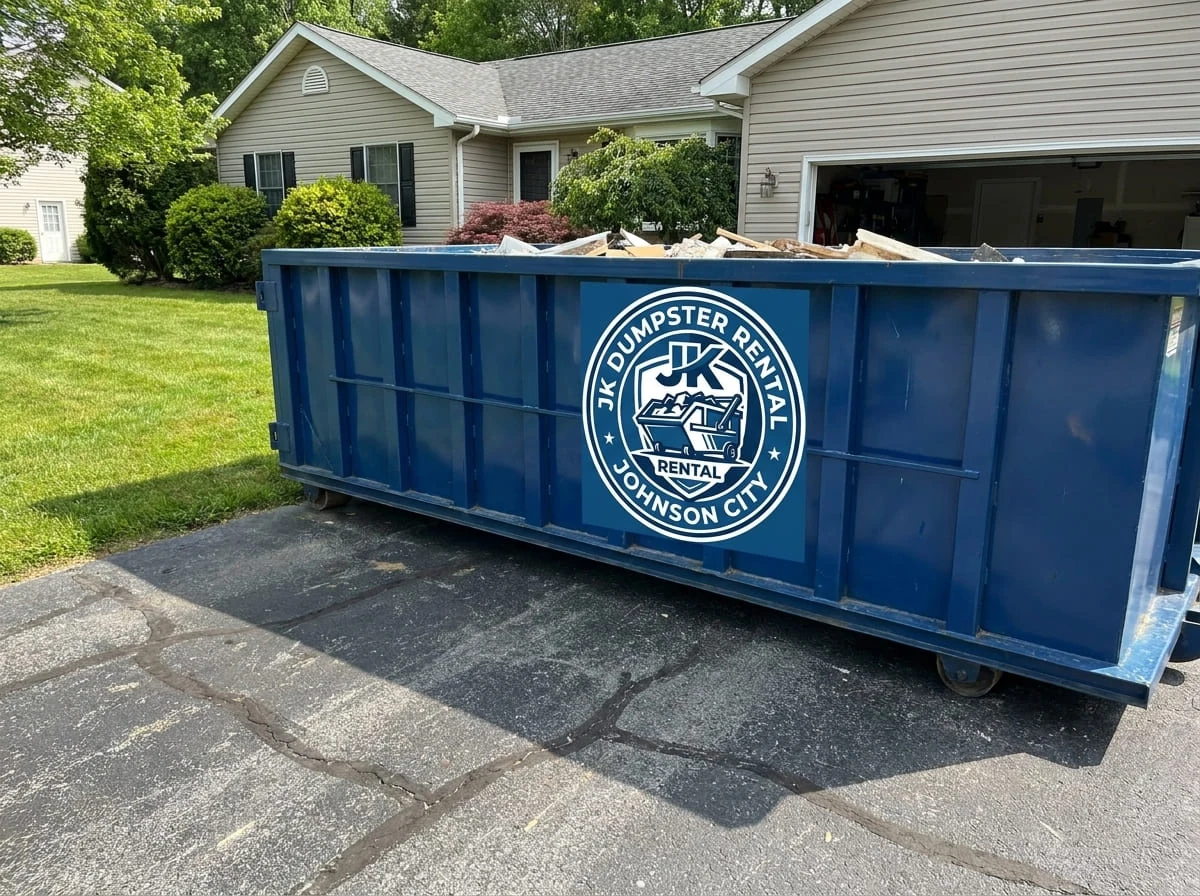
Most general household debris — furniture, old carpet, damaged fixtures, general clutter — is straightforward dumpster material. A few categories need separate handling under Tennessee's actual rules: whole tires and lead-acid batteries are barred from landfill disposal by state statute (Tenn. Code Ann. Sec.68-211-866(a)), so those need to be routed separately rather than tossed in with general debris. Old refrigerators, freezers or window air conditioning units need refrigerant recovery first — governed by federal Clean Air Act Section 608 rather than a Tennessee-specific law, but still a real practical step before disposal. Electronics aren't barred from Tennessee landfills by state statute, but recycling them through a proper program is still the better call environmentally (see our full TDEC and landfill rules guide for the complete picture).
Local Disposal Resources
For anything that needs to go through Johnson City's own system rather than a standard dumpster load, the City of Johnson City's Solid Waste Services Complex at 91 New St. handles bulk item pickup scheduling and general guidance, and the Iris Glen Environmental Center at 1705 E. Main St. is the area's operating landfill facility. Washington County residents outside city collection can use the county's network of staffed convenience centers for items that need separate routing.
A Practical Estate Cleanout Checklist
Start with documents and paperwork first, before anything else gets moved — wills, deeds, financial records and anything with personal or legal significance should be pulled and secured before general clearing begins. Photograph rooms before clearing them, in case questions come up later about what was where. Set aside keepsakes and family-designated items in a clearly marked area, separate from anything headed to donation or disposal. Handle tires, batteries and appliances separately, per the section above, rather than mixing them into the general debris pile. Book the dumpster once you have a realistic sense of volume, rather than guessing early in the process — a mid-project size-up is easy to arrange if the first estimate runs short.
Sizing for an Estate Cleanout
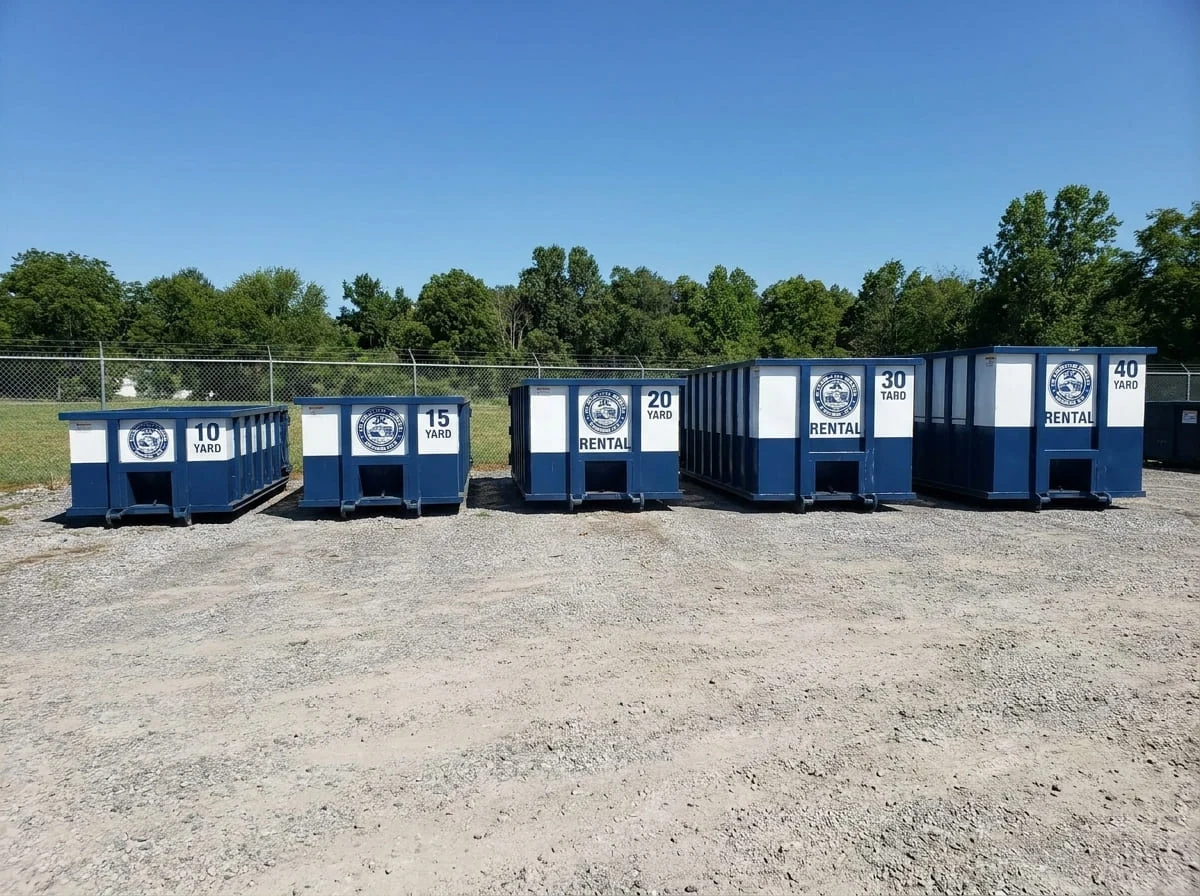
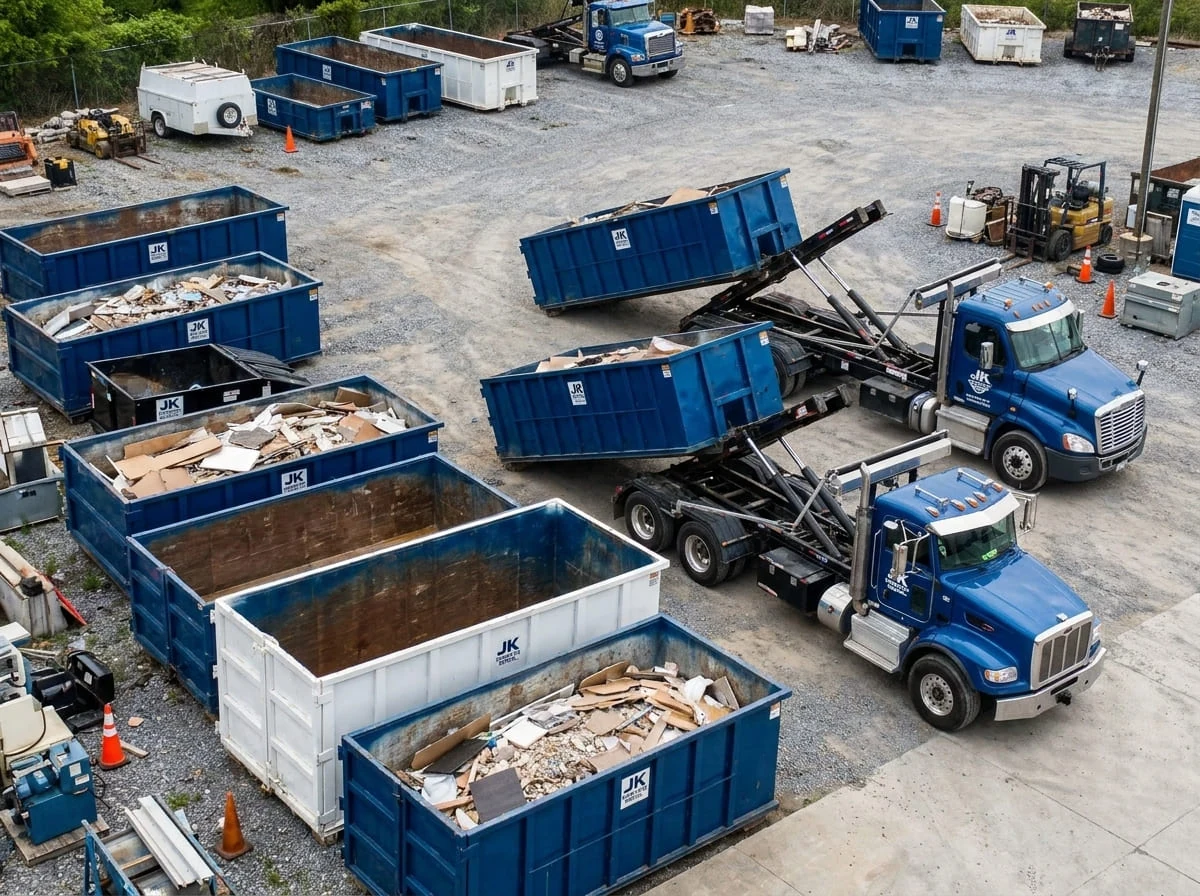
A single-room or smaller-property cleanout often fits a 15 or 20 yard container. A larger property with a full house of accumulated belongings more often calls for a 30 yard, sometimes with a scheduled swap-out if the cleanout runs across multiple weeks.
Call (423) 740-6063 and describe the property and what you're clearing. We'll size the container, work around your timeline, and keep the process as straightforward as possible during an already difficult time — priced flat-rate throughout.